
Fermented
Traditionally prepared material, often chosen for heritage-style products.
Fermentation is part of the traditional preparation of Sceletium. Here is what it means for buyers and why you should always ask.
In traditional practice, Sceletium plant material is often crushed and left to ferment in a closed container before being dried. This process is part of the plant’s long history of preparation in southern Africa, and some products are still made this way today.
Other products use plant material that is dried without fermentation. Both exist in the market, but they are not the same raw material, so a supplier should always tell you which one you are getting.
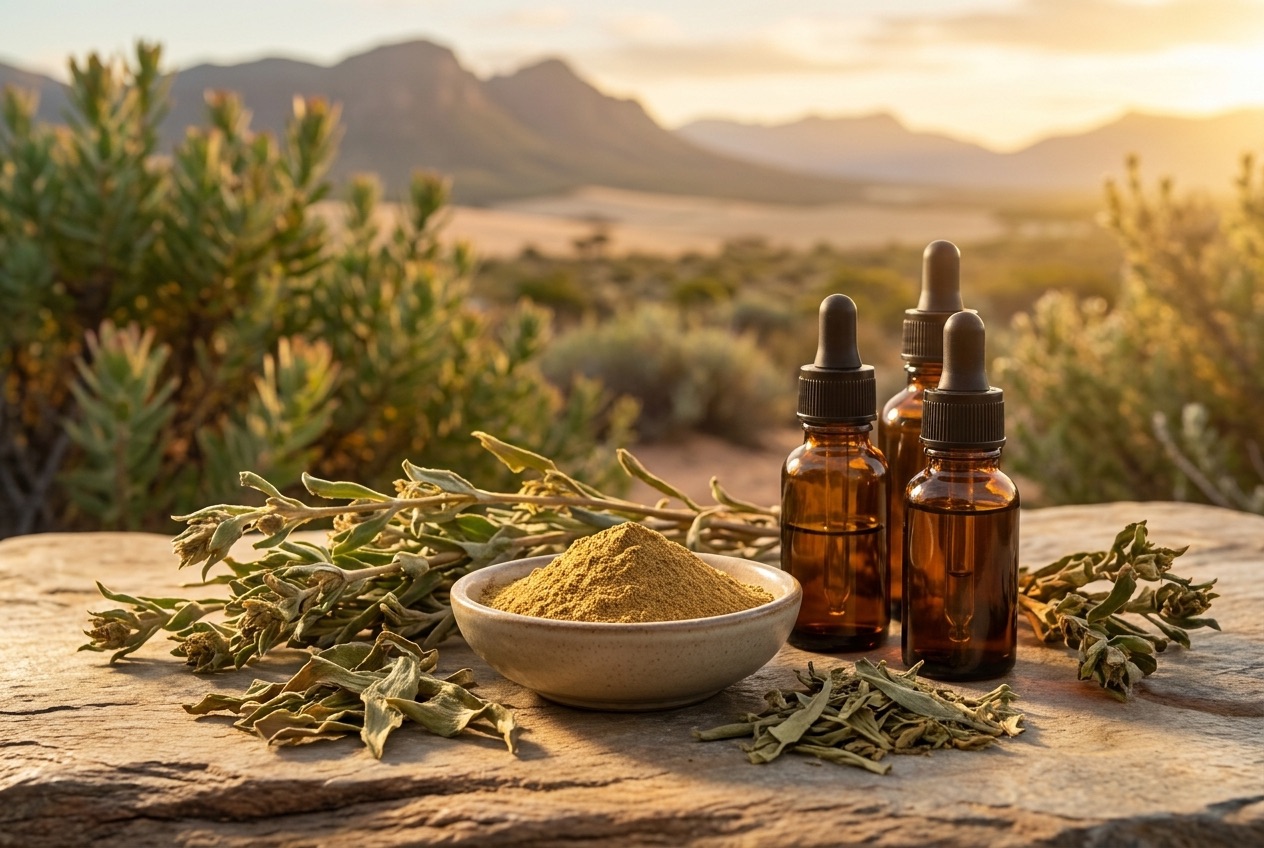
Neither is automatically better; the right one depends on your product.
Traditionally prepared material, often chosen for heritage-style products.
Dried without fermentation, often chosen for a more neutral starting material.
The two can differ in character and in test results.
A reliable supplier states clearly which one is supplied.
Decide which type fits your product concept, then ask the supplier to confirm it on paper. Request test results for the batch, and ask how long fermentation lasted and how the material was dried.
If you plan to make your own extract from raw material, the starting material will influence the finished extract, so the choice should be deliberate rather than accidental.
Neither is better in general. They suit different products and brand stories.
Availability varies by season and batch. Tell us which you prefer and we will confirm what can be sourced.
The two types can show different results, which is why batch-specific testing is important.
Tell us what you are looking for and we will come back with pricing, availability and next steps.